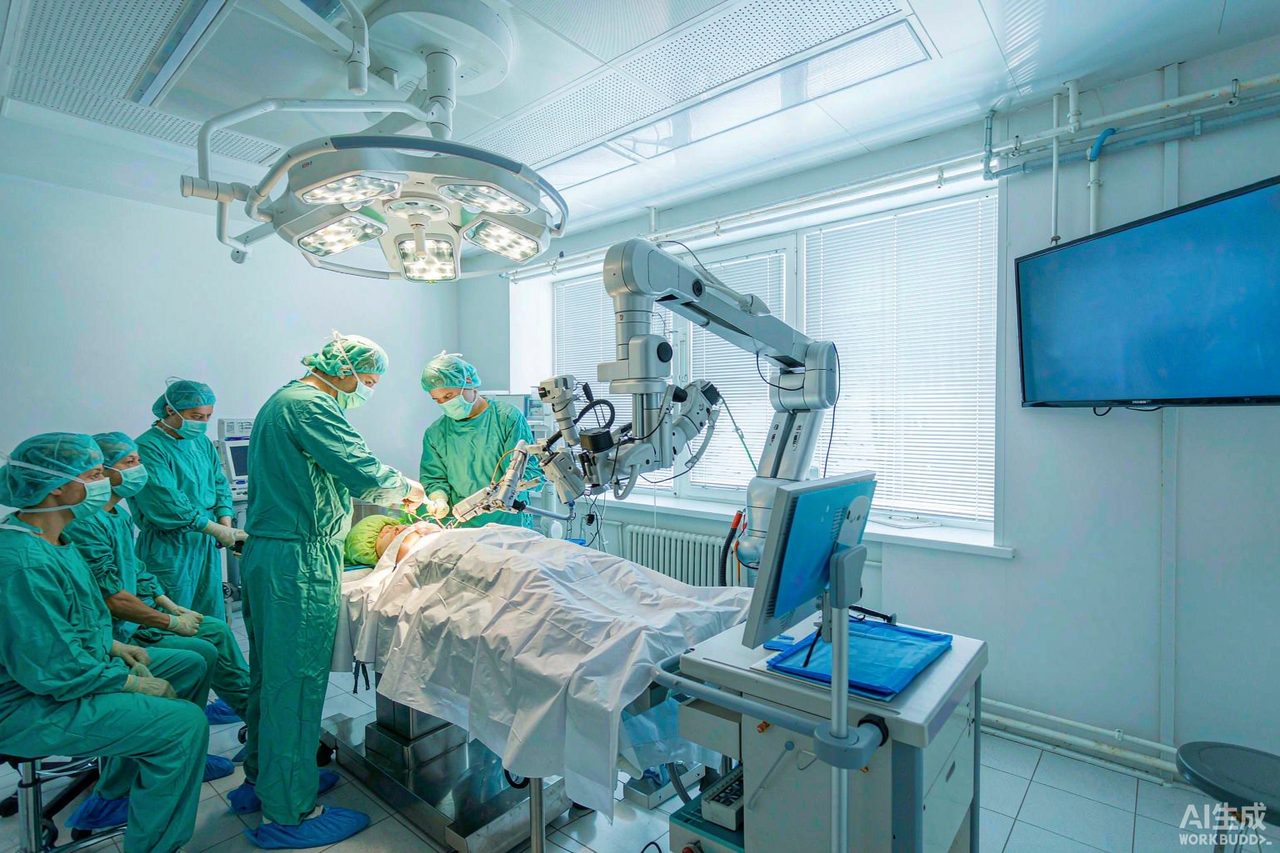
In surgery, practice is not a metaphor — it is statistics. Large international studies consistently link higher hospital and surgeon volumes to fewer complications and better outcomes. China’s flagship hospitals operate at a scale that gives international patients a real advantage.
The volume–outcome relationship
Across procedure after procedure — joint replacement, cardiac surgery, complex oncology — studies find the same pattern: patients treated at high-volume hospitals by high-volume surgeons experience fewer complications, shorter stays and better long-term results. Health-services researchers call it the volume–outcome relationship, and it is among the most replicated findings in the field.
The mechanism is unglamorous: repetition refines judgment, standardizes protocols and builds dedicated teams. A surgeon who has performed a procedure weekly for years develops pattern recognition no textbook teaches — and the surrounding team, from anesthesia to nursing to intensive care, moves as one system.
Why Chinese hospitals reach that scale
China’s Class A tertiary hospitals concentrate enormous patient flows: a single flagship hospital can handle more than 10,000 outpatient visits a day, with individual departments performing thousands of surgeries a year. Academician-led teams (Academician is China’s highest academic honor) at these hospitals often see more cases in a year than international peers see in several.
For international patients, this translates into the 3–10× surgical volume we cite across this site — and, practically, into surgeons whose hands know your specific procedure intimately.
What volume means for your specific procedure
“High volume” only counts when it is your procedure. The right questions are:
- How many of this exact procedure does this surgeon perform annually?
- What are the hospital’s reported outcomes — complication rates, lengths of stay, infection rates?
- Is the hospital internationally accredited (JCI, CIHA) with a functioning international department?
These are exactly the questions our matching process answers before we propose any hospital: verified, procedure-specific case volumes — not marketing brochures. Most matches are returned within 48 hours.
A balanced view
Volume is one factor among several. It does not replace the right technology, the right subspecialty match or clear communication about your case. A moderately sized hospital with a world-class subspecialty unit can outperform a mega-hospital without one. What volume provides is a strong prior — a reason to expect refined execution — which should then be confirmed with outcome data and accreditation.
How we put volume to work for you
When you submit a consultation, we match your case to hospitals and teams where procedure-specific volume, accreditation and international-patient infrastructure all check out — typically within 48 hours. Then you decide, with real numbers in front of you.